
There’s a question that comes up constantly on r/marketing and r/digital_marketing: “What’s the best way to learn digital marketing?” The answers usually fall into two camps. One group swears by certifications and courses. The other says forget all that, just start doing things and learn as you go.
Both camps are partially right. Courses give you structure and foundational knowledge. Hands-on experience teaches you what actually works. The best approach combines both, but in a specific order and with a specific mindset.
This guide breaks down how to learn digital marketing effectively, whether you’re starting from zero or trying to level up existing skills.
Table of Contents
Start With One Channel, Not Everything
Digital marketing includes SEO, paid ads, social media, email, content marketing, analytics, conversion optimization, and more. Trying to learn all of it at once is a mistake.
A common pattern on Reddit: someone posts asking how to learn digital marketing, gets a list of 15 different skills to develop and 30 resources to check out, feels overwhelmed, and either burns out or spreads themselves so thin they never get good at anything.
Pick one channel to start. Just one. Learn it well enough to produce results before moving to the next thing.
How do you choose? Consider these factors:
- What interests you? You’ll learn faster if you’re genuinely curious about the topic. If writing feels like torture, content marketing probably isn’t your starting point. If spreadsheets make your eyes glaze over, paid ads might not be the move.
- What’s in demand? Look at job postings in your target market. Some skills are more sought after than others. As of 2026, paid media specialists and SEO practitioners remain in high demand, especially those who can demonstrate results.
- What can you practice easily? Some channels require budget to practice (paid ads), while others just require time (SEO, content, organic social). If you’re learning on your own dime, that matters.
Good starting points for most people: SEO, content marketing, or email marketing. These don’t require ad spend to practice, they build skills that transfer to other channels, and they’re foundational to most marketing roles.
The Learning Stack
For any channel you choose, the learning process follows a similar pattern. I think of it as a stack, where each layer builds on the one below.
Layer 1: Concepts and Vocabulary
Before you can do anything useful, you need to understand the basic concepts and speak the language. What is a conversion? What’s the difference between impressions and reach? What does CTR mean? What’s a funnel?
This is where courses and structured content help. You need someone to explain the fundamentals in a logical order. Trying to learn by randomly reading blog posts usually leaves gaps in your understanding.
Free options that actually work:
- Google Digital Garage covers broad digital marketing fundamentals. Not deep, but gives you the vocabulary and mental models.
- Google Analytics Academy teaches you to understand data, which matters for every channel.
- HubSpot Academy has solid free courses on inbound marketing, content, email, and more. Heavy on their own methodology, but still valuable.
- Semrush Academy and Moz for SEO specifically. Both offer free courses that cover the fundamentals well.
For paid ads specifically, the platform certifications (Google Ads, Meta Blueprint) are worth doing. They’re free, they teach you the interface, and while the certification itself doesn’t mean much, the knowledge does.
Spend a few weeks here. Enough to understand the concepts, not so long that you’re just accumulating certificates without applying anything.
Layer 2: Observation and Analysis
Once you understand the basics, start paying attention to marketing in the wild. This is free and surprisingly educational.
Subscribe to email lists from companies you admire. Don’t just read their emails; analyze them. What’s the subject line doing? How’s the email structured? What’s the call to action? How often do they send? What sequences do they use for new subscribers?
When you see an ad on Instagram or Google, screenshot it. Build a swipe file. Notice what catches your attention and what makes you scroll past. Look at the landing pages those ads send you to. How are they structured? What objections do they address?
Search for terms in your industry and study who’s ranking on page one. What kind of content are they creating? How long is it? How is it structured? What makes it better than what’s on page two?
This observational practice trains your eye. You start recognizing patterns and understanding why certain approaches work.
Layer 3: Practice on Real Projects
This is where actual learning happens. Everything before this is preparation.
You need to work on something real. Not hypothetical case studies, not practice exercises in a course, but actual projects where you can see actual results.
Options for getting real practice:
- Your own project. Start a blog, a newsletter, a YouTube channel, an Instagram account about something you’re interested in. It doesn’t need to make money. It needs to give you a playground for experimentation.
- Freelance for small businesses. Local businesses often need marketing help and can’t afford agencies. Offer to manage their social media, improve their SEO, or set up email campaigns. Charge little or nothing at first; you’re trading money for experience.
- Volunteer for nonprofits. Many nonprofits need marketing help and have limited budgets. You get real experience, they get free help, everyone wins.
- Internships or entry-level jobs. If you can get paid to learn, even better. But don’t wait for permission. Start building experience now.
The key is that the results matter to someone. When there are real stakes, you pay attention differently. You learn faster because failure has consequences.
Layer 4: Community and Feedback
Learning in isolation is slow. You’ll make mistakes that others could have warned you about. You’ll miss insights that seem obvious to people with more experience. You’ll hit walls and not know how to get past them.
Find communities where you can ask questions, share what you’re working on, and learn from others’ experiences.
Reddit has active communities for almost every marketing specialty:
- r/seogrowth for search engine optimization. Can be salty, but there’s genuine expertise if you dig past the noise.
- r/PPC for paid advertising across platforms. Good for troubleshooting specific campaign issues.
- r/content_marketing smaller but focused community for content strategy and creation.
- r/digital_marketing general discussion, good for broader questions and career advice.
- r/marketing covers marketing broadly, not just digital. A mix of practitioners and students.
- r/analytics for data and measurement questions.
A word of caution about Reddit: the advice quality varies wildly. Someone confidently stating something doesn’t mean they know what they’re talking about. Look for answers that show their reasoning, not just conclusions. And be skeptical of anyone selling something.
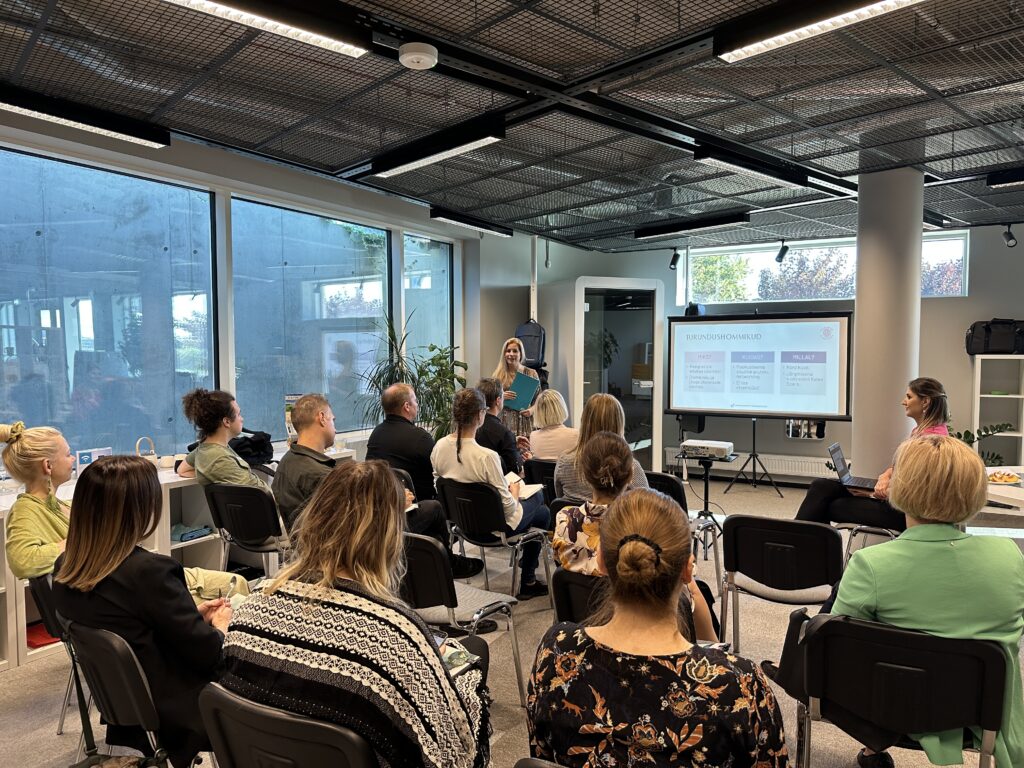
Beyond Reddit, dedicated marketing communities often have higher signal-to-noise ratios. The Powerful Marketers community is one worth checking out, particularly if you’re early in your career.
They have a Next-Gen program specifically for students and those just starting, with access to experienced marketers who can provide guidance. The quality of feedback you get matters, and curated communities tend to attract more serious practitioners.
Learning Resources Worth Your Time
The internet is drowning in marketing content. Most of it is mediocre. Here’s what’s actually worth consuming:
For Staying Current
The marketing landscape changes constantly. What worked two years ago might not work today. You need sources that keep you updated without overwhelming you.
- Search Engine Journal and Search Engine Land for SEO and paid search news. They cover algorithm updates, platform changes, and industry trends.
- Marketing Brew is a newsletter that covers marketing news in a readable format. Good for staying generally informed without spending hours reading.
- Platform blogs (Google Ads blog, Meta for Business, etc.) for announcements about new features and best practices straight from the source.
For Deep Learning
When you want to go deep on a topic, these resources offer more substance than the typical blog post:
- Reforge offers programs for more experienced marketers. Expensive, but the content is excellent if you can afford it or get your employer to pay.
- CXL has in-depth courses on specific topics like conversion optimization, analytics, and growth. More technical than most.
- Specific YouTube channels can be gold. Ahrefs for SEO, Google’s own channels for ads. Just avoid the “make money fast” types.
For Foundational Thinking
Some resources focus less on tactics and more on how to think about marketing strategically. These remain valuable even as specific tactics change.
My book The Greatest Marketer takes this approach. Rather than teaching you the latest Facebook ads hack, it focuses on building a sustainable marketing mindset.
The book covers how to align marketing with business goals, avoid burnout, and lead with clarity. It’s particularly useful if you’re feeling overwhelmed by the sheer volume of things you could be doing. Sometimes what you need isn’t another tactic but a framework for deciding which tactics matter.
Other books in this category: “This Is Marketing” by Seth Godin for philosophy, “Influence” by Robert Cialdini for psychology, and “Building a StoryBrand” by Donald Miller for messaging frameworks.
The Practice Problem
A recurring frustration in r/digital_marketing: “I’ve taken courses, but I can’t get a job because I don’t have experience. How do I get experience without a job?”
The answer is to manufacture your own experience. This is uncomfortable because it requires initiative without external structure or permission. But it’s the most reliable path.
Option 1: Build Something From Scratch
Pick a niche you’re interested in. Start a website. Create content. Build an email list. Try to rank for some keywords. Run some small ad experiments if you have a budget.
Document everything. Track your metrics. Screenshot your results. When you interview for jobs, you can show exactly what you did and what happened.
“I grew an email list from 0 to 500 subscribers in three months by creating weekly content about [topic] and optimizing my signup forms” is more compelling than “I completed the HubSpot certification.”
Option 2: Audit and Improve Existing Sites
Find small businesses with bad websites or weak marketing. Do an audit. Identify what they could improve. Reach out with specific, actionable suggestions.
Some will ignore you. A few might hire you to implement the changes. Either way, the practice of analyzing real sites and developing recommendations builds skills.
Option 3: Contribute to Open Source or Community Projects
Some open source projects, nonprofits, and community organizations need marketing help. Contributing gives you experience, references, and something concrete to show.
Common Mistakes in Learning
Watching what trips people up can help you avoid the same pitfalls:
Collecting certificates instead of skills
Certifications prove you completed a course. They don’t prove you can do the work. I’ve seen people with a dozen certificates who can’t run an effective campaign, and people with zero certificates who are excellent marketers. Focus on what you can do, not what badges you’ve collected.
Learning passively
Watching videos and reading articles feels productive. It’s not, unless you’re applying what you learn. Active learning means doing something with the information: taking notes, testing ideas, building things, and analyzing examples. Passive consumption doesn’t stick.
Jumping between channels too quickly
Getting bored with SEO before you’re competent, switching to paid ads, getting frustrated there, and moving to social media. This pattern produces shallow knowledge across many areas and expertise in none. Depth beats breadth, especially early on.
Ignoring the fundamentals
Chasing advanced tactics before understanding basics. Trying to learn programmatic advertising before understanding how bidding works. Attempting complex email automation before you can write a compelling subject line. The fundamentals are boring, but skipping them creates shaky foundations.
Learning in isolation
Trying to figure everything out alone when communities of people have already solved the problems you’re facing. Ask questions. Share your work. Get feedback. The discomfort of putting yourself out there is worth the acceleration in learning.
A Realistic Timeline
How long does it take to learn digital marketing? It depends on what “learn” means and how much time you can invest.
To understand the fundamentals of one channel well enough to be useful: two to three months of focused effort, assuming you’re practicing regularly.
To become genuinely competent in one channel, able to run campaigns independently and produce consistent results: six to twelve months.
To develop T-shaped skills, deep in one area and functional across several others: two to three years.
To become senior-level, capable of developing strategy, managing teams, and handling complex challenges: five or more years.
These timelines assume you’re actually doing the work, not just consuming content. They also assume you’re getting feedback and iterating, not repeating the same mistakes.
The good news is that you can add value and get hired well before you’re an expert. Companies need people at all skill levels. The key is being honest about where you are and committed to keeping learning.
Putting It Together
The best way to learn digital marketing:
- Choose one channel to focus on based on your interests and market demand.
- Learn the fundamentals through structured courses or resources. A few weeks, not months.
- Start observing and analyzing marketing in the wild. Build this habit permanently.
- Get hands-on with real projects as soon as possible. Create your own if necessary.
- Join communities where you can ask questions and get feedback. Reddit, Slack groups, and dedicated communities like Powerful Marketers.
- Document your results. Build a portfolio of work you can show.
- Expand to adjacent channels once you’ve developed real competence in your first one.
The pattern is simple: learn enough to start, then learn by doing, then learn by reflecting on what you’ve done. Repeat indefinitely.
Marketing is a field where you never stop learning. The landscape changes too fast for anyone to master it completely. But that’s also what makes it interesting. There’s always something new to figure out, always another level to reach.
Start where you are. Use what you have. Learn as you go.
Want to learn alongside other marketers? The Powerful Marketers community brings together practitioners at every level.
Whether you’re just starting or looking to sharpen your skills, you’ll find resources, conversations, and people who get what you’re working on. Check out the Next-Gen program if you’re a student or early in your career.
FAQs
What’s the fastest way to learn digital marketing in 2026?
Pick one channel (SEO, email, or content), spend 2-3 weeks on fundamentals via Google/HubSpot free courses, then practice immediately on real projects while getting feedback from communities like Powerful Marketers.
Do I need certifications to get hired in digital marketing?
No. Google/HubSpot certs teach useful basics, but employers value portfolios with real results (“grew traffic 25%”) over badges. Practice > certificates.
How long until I’m job-ready in digital marketing?
2-3 months for basic competence in one channel (10 hrs/week practice); 6-12 months for independent campaign execution. Companies hire at all levels if you show results.
What role does community play in learning digital marketing?
Critical. Solo learning plateaus fast; communities provide feedback, answer specific questions, and expose you to real-world challenges. Powerful Marketers offers structured Next-Gen support for beginners.
