
Marketing in 2026 is a high‑pressure sport. Campaigns move faster, channels multiply, and AI has made it easier than ever to create more… of everything. But doing more isn’t the same as doing better.
If you’re constantly busy yet rarely feel satisfied with your output, the problem isn’t your work ethic – it’s your system.
This guide will show you how to boost your productivity without burning out by changing how you plan, work, and recover.
The goal isn’t to turn you into a machine, but to help you do your best work sustainably. Along the way, we’ll also look at how the right physical environment, like Workland, can support these changes rather than fight them.
Table of Contents
1. Redefine Productivity: From “More” to “Meaningful.”
Most marketers measure productivity by volume: number of posts, emails, meetings, and tasks completed. That mindset quietly pushes you toward burnout.
A healthier definition: Productivity is consistent progress on the right things, with enough energy left to do it again tomorrow.
Try this shift:
- Swap task lists for results lists: Instead of “Write 3 posts, schedule 5 emails,” aim for “Publish 1 campaign that moves X metric.”
- Set a daily “Big 1.”: Each morning, pick one meaningful outcome that, if completed, would make the day a win. Everything else is secondary.
- Question low‑impact work: Ask: “If we stopped doing this, what would actually break?” You’ll often find meetings, reports, or approvals that add little value.
When you anchor your day around meaningful outcomes, you naturally prioritize and stop trying to “do it all.”
2. Design Your Day Around Energy, Not Just Time
Calendar blocks mean little if they ignore your natural energy curve.
For one week, notice:
- When you feel sharpest (strategy, writing, analysis).
- When you dip (post‑lunch, late afternoon).
- When you tend to procrastinate.
Then:
- Protect deep‑work blocks (60–120 minutes)
Reserve your best hours for high‑impact tasks, not ad‑hoc meetings or notifications. - Cluster shallow work
Handle email, approvals, and quick replies in 1–2 windows instead of all day. - Build in recovery
Short breaks between blocks; walk, stretch, breathe, help you return with focus instead of fatigue.
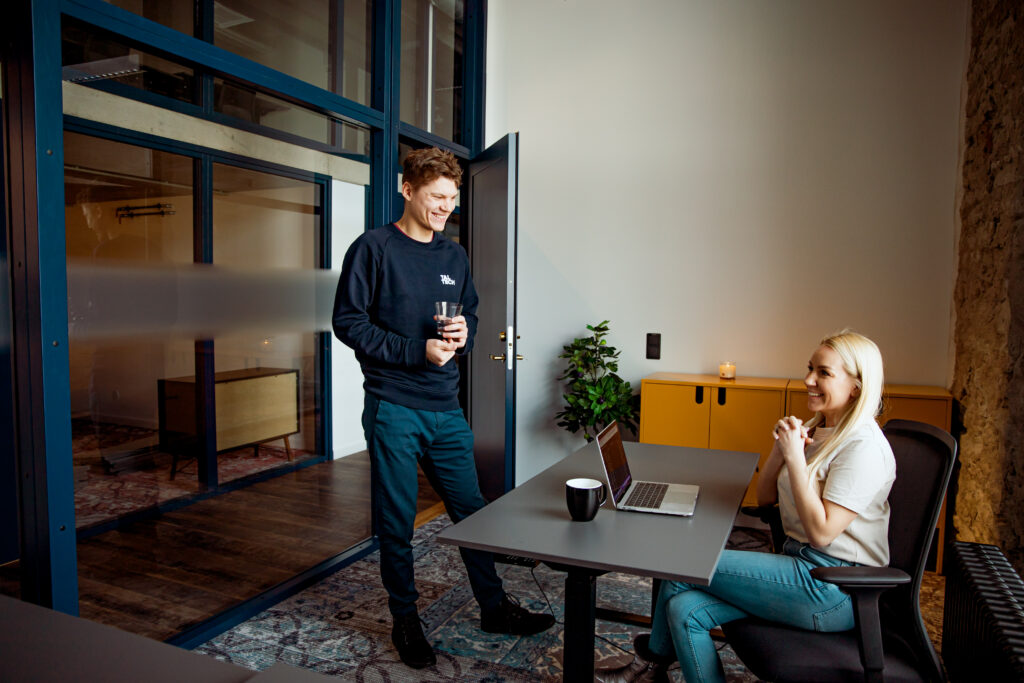
An environment that supports this rhythm (quiet zones, meeting rooms when you need them, fewer random interruptions) makes it much easier to stick to. This is where a workspace like Workland can reinforce your ideal workday instead of disrupting it.
3. Replace Multitasking With Systems That Protect Focus
Context‑switching is one of the biggest hidden drains on marketers. Every time you jump between tabs, tools, and channels, you pay a cognitive tax.
Instead of relying on willpower:
- Limit inputs during focus time: Close unnecessary tabs, mute notifications, and keep only what you need visible for the next block.
- Capture, don’t chase: Keep one place for ideas and “don’t forget this” thoughts. Offload them there and come back later.
- Create team norms: If possible, agree on “focus hours” where non‑urgent messages can wait, and use async updates whenever you can.
Your physical setting matters here, too. In a dedicated environment designed for concentration, like Workland’s focused work areas, you’re not fighting the distractions of home or noisy public spaces on top of your digital distractions.
4. Build a Sustainable Creative Engine
Marketers are expected to be creative on demand, but creativity needs input and recovery.
To keep your creative engine healthy:
- Schedule input, not just output: Set aside time to read, watch, or analyze good work inside and outside your industry. No immediate deliverable required.
- Keep a swipe file: Save strong ads, emails, posts, and landing pages. Tag them by angle (hook, offer, design) so you can reuse patterns.
- Lower the pressure early in the process: Allow “bad” ideas in round one. It’s easier to refine from something than from nothing.
Being around other driven people, founders, marketers, and creatives, also refuels creativity.
Shared spaces and casual conversations often spark ideas you wouldn’t get staring at the same four walls. This is one of the underrated benefits of working in a community‑oriented space like Workland.
5. Use Technology to Reduce Load, Not Increase Noise
AI and automation can either free you or overwhelm you.
Use them intentionally:
- Automate the repetitive: Reports, reminders, content repurposing, and simple workflows are ideal candidates.
- Keep the human in the loop: Let AI draft, but keep humans responsible for final messaging, tone, and judgment.
- Regularly audit your tool stack: Remove tools you rarely use, or that overlap heavily. Fewer tools means fewer logins, fewer updates, and less context‑switching.
When your workflow and workspace support each other, reliable Wi‑Fi, meeting rooms for collaboration, and quiet zones for deep work, it’s easier to get the full benefit of your tools without adding friction.
6. Protect Boundaries as a Non‑Negotiable
You can’t boost your productivity without burning out if everything is urgent and you’re always “on.”
Consider:
- Clear work‑life guardrails: Decide when you’re available and when you’re not. Communicate this where needed.
- Realistic negotiation: Replace “I’ll try to do it all” with “I can do X or Y this week; which is more important?”
- Built‑in recovery: Consistent sleep, movement, and genuine downtime (not just scrolling) are part of your system, not an afterthought.
Working from a space designed for work, rather than from your couch or kitchen table, also helps your brain distinguish between “on” and “off.”
Leaving a place like Workland at the end of the day acts as a physical signal that work is done, which is critical for long‑term sustainability.
7. Surround Yourself With a Supportive Environment
Systems and habits are powerful, but your environment amplifies or undermines them.
Look for:
- Peers who take their work seriously: Being around people who are focused, ambitious, and respectful of boundaries normalizes healthy productivity.
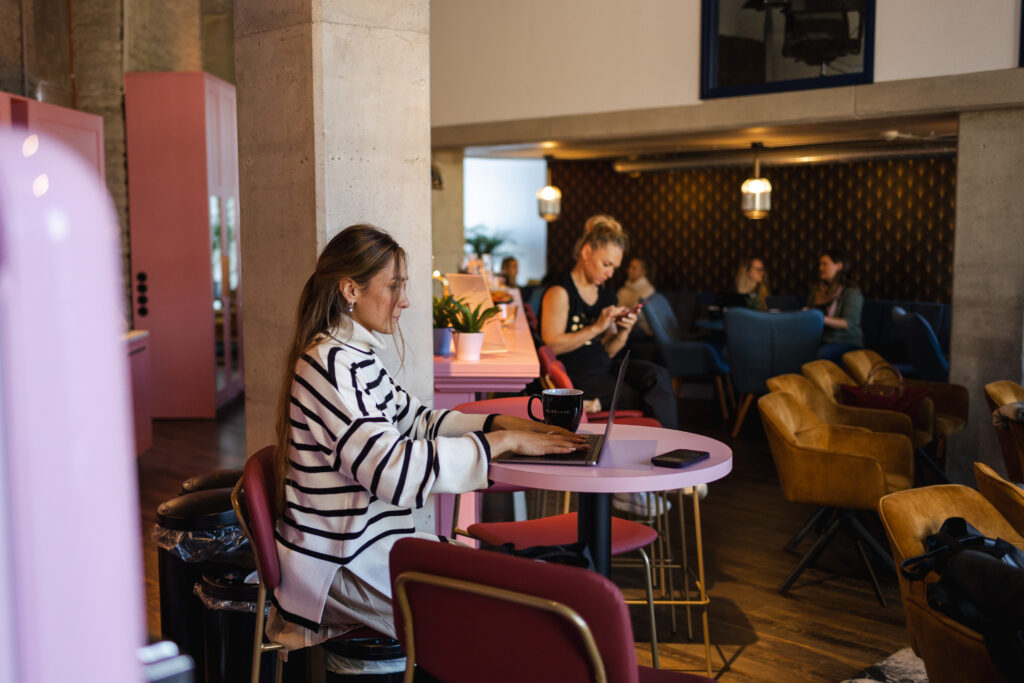
- Spaces for different modes of work: Quiet desks for deep work, meeting rooms for collaboration, and social areas for informal exchange.
- Organic accountability: When you see others show up consistently, it becomes easier to do the same.
This is where Workland naturally fits into the picture. It’s not just a desk or Wi‑Fi; it’s an ecosystem, coworking areas, private offices, meeting rooms, and a community of professionals that supports how modern marketers actually work. It gives you:
- A place to focus without constant home distractions.
- Opportunities to connect with other marketers, founders, and creatives.
- Events, workshops, and conversations that keep you learning and inspired.
Instead of treating productivity as a solo battle, you make it something your environment helps you with every day.
8. Turn Productivity into a Repeatable System
You don’t need a radical overhaul. Start small and build:
- Week 1: Introduce one protected deep‑work block per day.
- Week 2: Add a weekly review and planning ritual.
- Week 3: Set clearer boundaries for notifications and after‑hours work.
- Week 4: Experiment with a work setting that supports your new habits, like trying a few days at Workland instead of working alone.
The compounding effect of these changes is where you truly boost your productivity without burning out: not by pushing harder, but by working in a way that you can sustain.
FAQs – Boost Your Productivity without Burning Out
How can I boost my productivity without burning out?
Focus on doing fewer, more important tasks deeply instead of trying to do everything at once. Protect daily deep‑work blocks, set clear priorities, and build in real recovery so your energy can sustain your output over time.
Is burnout just about working too many hours?
Not always. Burnout often comes from constant context‑switching, unclear priorities, lack of control, and working in an environment full of interruptions, even if the total hours aren’t extreme.
What are some practical habits to stay focused during the workday?
Time‑block your calendar, group shallow tasks (like email) into set windows, silence notifications during deep work, and use simple tools like timers or checklists to keep your attention on one task at a time.
How does my physical work environment affect productivity and burnout?
Your environment can either support focus or constantly break it. A space with fewer distractions, reliable infrastructure, and access to meeting rooms and quiet zones makes it easier to stay in flow and separate work from rest.
How can a coworking space like Workland help me be more productive?
Workland provides structure (dedicated work areas), community (other motivated professionals), and variety (quiet zones, meeting rooms, social areas), all of which support deep work, inspiration, and healthy boundaries better than working alone at home.
Can the community really help prevent burnout?
Yes. Being around like‑minded people gives you informal accountability, fresh ideas, and emotional support. Sharing challenges and wins with others reduces isolation and makes it easier to maintain sustainable habits.
